Over the past few months, I’ve been thinking a lot about how AI is changing the way we build products.
Not just prototypes. Not just ideas. But real, working applications.
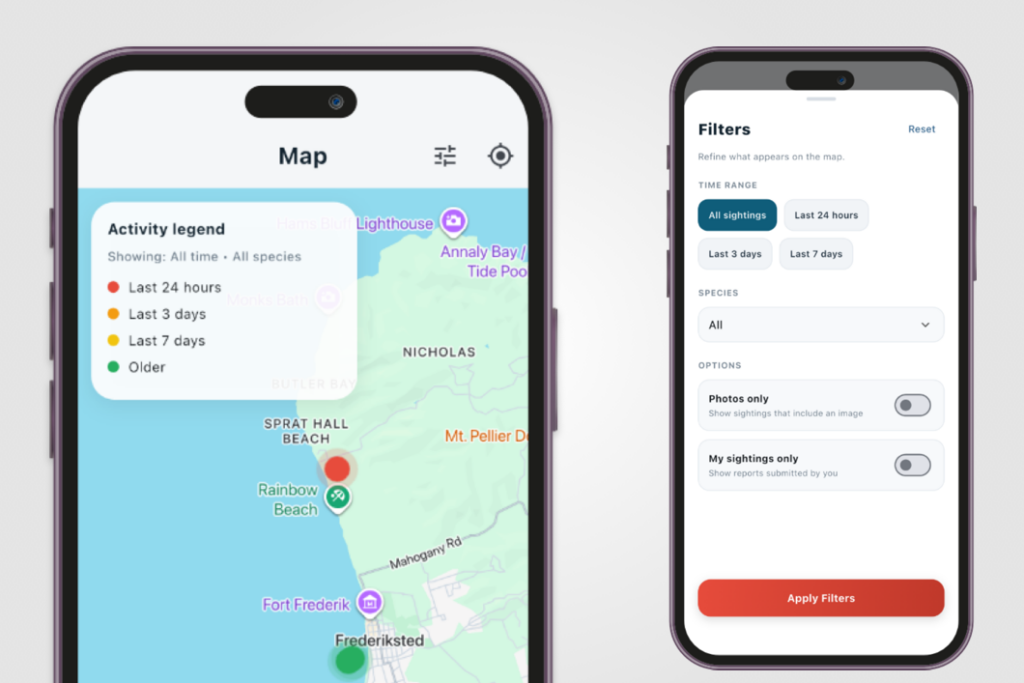
So I decided to test it. The result is Coast Clear — a mobile app I designed and built in about two days, now available on iOS and iPadOS.
The Experiment
The goal wasn’t just to ship an app. It was to answer a bigger question:
How much can AI actually accelerate real product development?
Not in theory. Not in demos. But in a real-world scenario:
- designing an app
- building it
- integrating services
- preparing it for the App Store
The Stack (Human + AI)
I didn’t rely on just one tool. This was a multi-AI workflow, combined with traditional design tools.
AI Tools
- ChatGPT
- Claude
- Gemini
Each played a slightly different role—from brainstorming and structuring to refining logic and solving implementation issues.
Design Tools
- Figma
- Sketch
- Affinity Designer
These were used to create UI concepts, assets, and visual polish.
Technology
- Firebase (data storage)
- Google Maps (map integration)
- Xcode
What AI Actually Helped With
AI wasn’t just a “nice to have” in this process. It fundamentally changed how quickly things moved.
It helped with:
- structuring the app architecture
- generating and refining code
- debugging issues quickly
- thinking through edge cases
- speeding up repetitive implementation tasks
Instead of getting stuck, I could iterate continuously.
What Still Required Human Judgment
Even with all of that acceleration, the most important parts still required human thinking:
- defining the product idea
- making UX decisions
- prioritizing features
- deciding what not to build
- ensuring the experience actually makes sense
AI helped build. But it didn’t decide what was worth building.
From Idea to App Store in ~2 Days
That’s the part that still feels a bit surreal. From initial concept to App Store submission took roughly: ~2 days. Not because everything was automated. But because friction was dramatically reduced.
- fewer blockers
- faster iteration
- quicker problem solving
AI essentially compressed what might normally take weeks into days.
What This Means for Product Development
This experience reinforced something I’ve been thinking about:
We’re entering a phase where the bottleneck is no longer building. It’s:
- clarity of ideas
- quality of design
- understanding users
Because when you can build this quickly, the advantage shifts to: taste, judgment, and execution.
What’s Next for Coast Clear
This is just the starting point. Planned next steps include:
- Android version
- alerting features
- a smarter safety layer
- continued iteration based on usage and feedback
The goal is to evolve this from a quick build into something more robust and genuinely useful.
Final Thought
AI didn’t replace the product process. It compressed it. And that changes things.
When you can go from idea → working product → App Store in a matter of days, the way we think about experimentation, iteration, and product strategy starts to shift.
This won’t be the last app I build this way.